The Quiet Mechanics of Loyalty Schemes: How Reward Structures Influence Long-Term Wagering Patterns Across Platforms
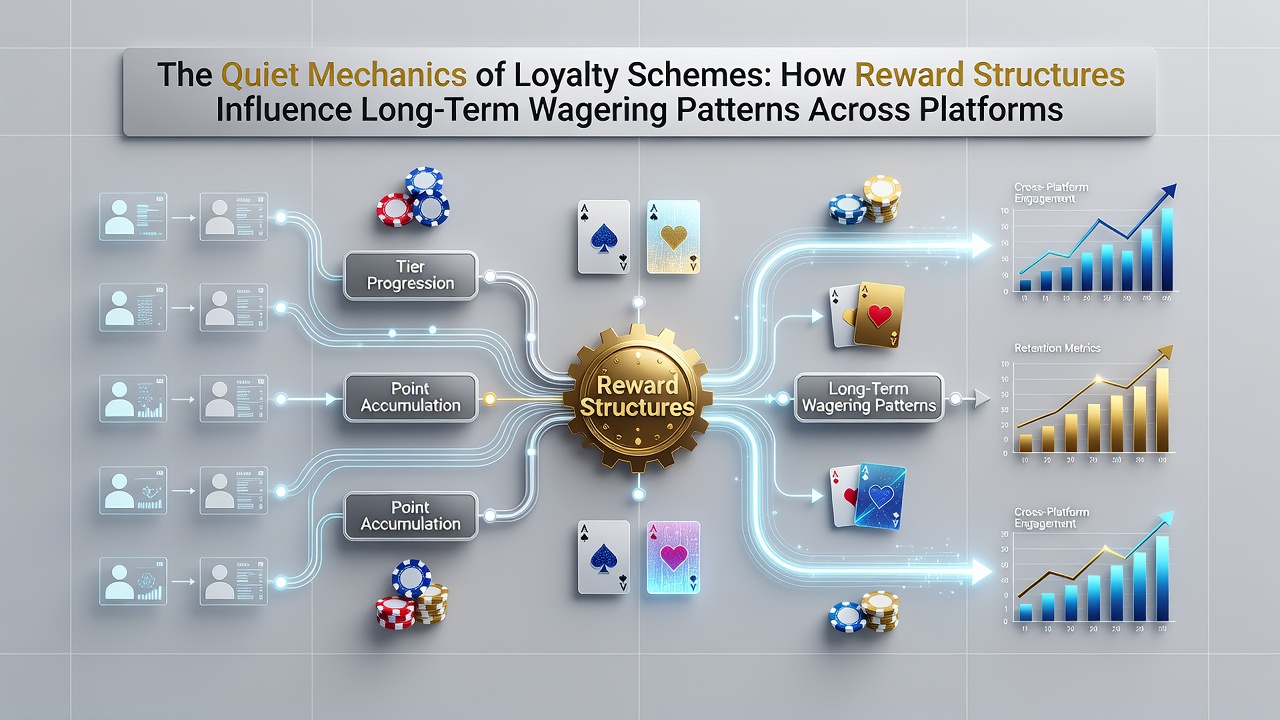
Operators design loyalty programs with tiered points systems that accumulate based on wager volume and frequency, and these mechanics shape how participants return to specific sites over months or years. Data from multiple jurisdictions shows that structured rewards encourage sustained activity rather than one-off sessions, because users chase status levels that unlock higher cashback percentages or exclusive event access. In September 2026 several regional regulators noted increased average session lengths among members enrolled in multi-tier programs compared with non-members.
Core Components of Reward Structures
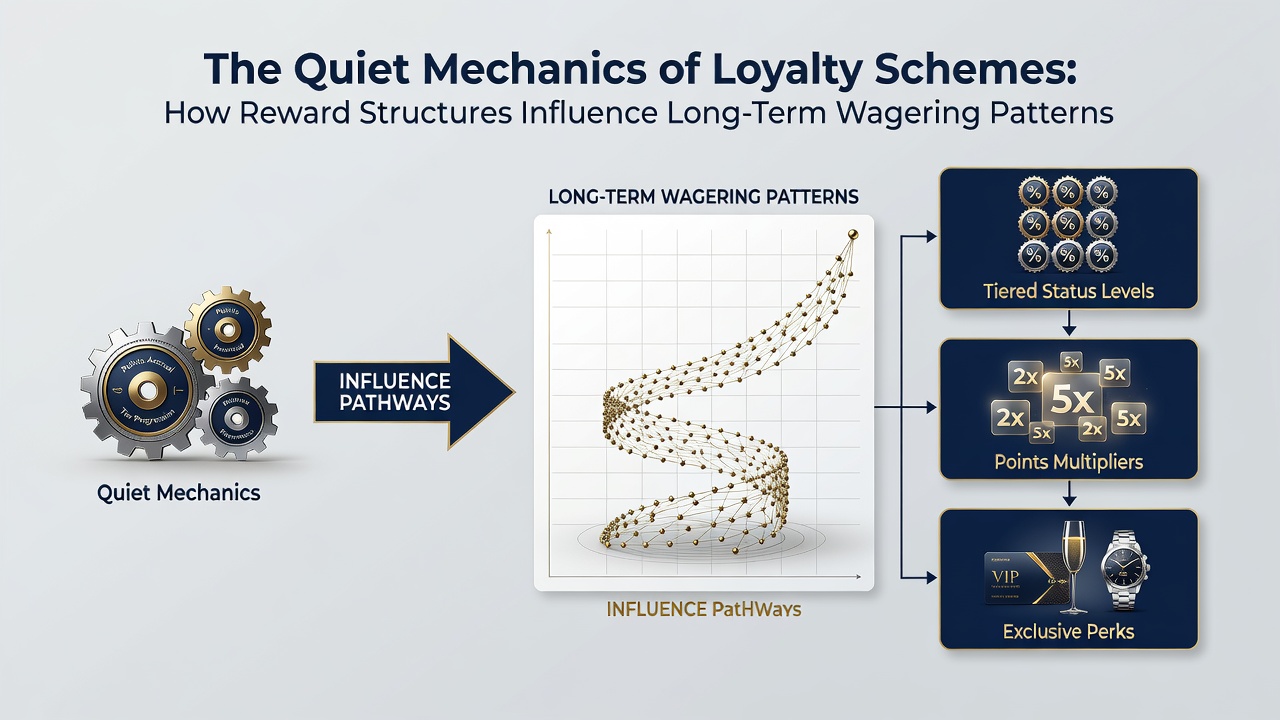
Most platforms divide loyalty into entry-level, mid-tier, and elite brackets where points convert to real credits at escalating rates, while additional perks such as faster withdrawals or personalized odds appear only after certain thresholds. Users who reach elite status often maintain higher monthly deposit volumes because the marginal benefit of each additional wager grows, and this pattern appears consistently across North American and Australian markets according to industry association reports. The conversion mechanics matter because a flat points system produces different retention curves than one that accelerates near tier boundaries.
Observed Shifts in Betting Frequency and Volume
Longitudinal tracking by research groups in Canada and Australia indicates that participants in points-based schemes increase their number of active betting days per month by roughly 15 to 22 percent after six months of enrollment. The increase occurs because daily login bonuses and streak multipliers create habitual access patterns, and users who miss a day lose accumulated progress toward the next reward. Platforms that reset progress monthly see sharper spikes near month-end as members rush to secure tier status before the cycle closes.
Platform-Specific Variations
Cross-platform comparisons reveal that sports-focused apps emphasize live-bet multipliers while casino-heavy sites lean on slot spin rewards, and these differences steer users toward distinct game types over time. One study released by the National Council on Problem Gambling in early 2026 found that participants who began with sports wagers gradually migrated toward higher-margin casino products once loyalty cashback rates exceeded 1.5 percent. The migration happened because casino games allow faster point accumulation, and the program structure therefore influences not only frequency but also product preference.
Retention Data and Cross-Border Patterns
Figures released by the Australian Gambling Research Centre in September 2026 showed that members who reached the second loyalty tier remained active on the same platform for an average of 11.4 months, whereas non-tiered users averaged 4.7 months before switching or reducing activity. Similar patterns appear in several U.S. states where mobile sportsbooks compete on rewards, and the data suggests that once users accumulate visible progress toward a bonus, they rarely abandon the account even when competing offers appear elsewhere. The stickiness comes from the perceived loss of sunk points rather than from any single large payout.
Operators sometimes link loyalty accounts across multiple brands under the same parent company, allowing points earned on a European-facing site to transfer to an Asian-facing platform. This interconnection extends session length because users can chase rewards on whichever market offers the best odds at a given moment, and regulators in multiple regions have begun requiring clearer disclosure of such transfers to prevent unintended escalation of play.
Behavioral Economics at Play
Researchers at several universities have examined how near-miss mechanics within loyalty interfaces, such as progress bars that stop just short of a tier, increase the likelihood of an additional deposit. These designs mirror findings from earlier slot-machine studies, yet they now operate at the account level rather than the individual spin. The result is longer participation windows because the user remains engaged until the visible goal is reached, and platforms adjust the speed of progress bars based on individual deposit history to maximize completion rates.
Conclusion
Loyalty schemes function through incremental reward ladders that reward consistency and volume, and available data from North American, Australian, and European sources demonstrates measurable effects on session length, product choice, and account lifespan. As operators refine tier boundaries and point conversion rates, the long-term distribution of wagering activity across platforms continues to shift in measurable ways.