Data Models at Work: Mapping Algorithmic Allocation of Free Bets Across Football and Racing Markets
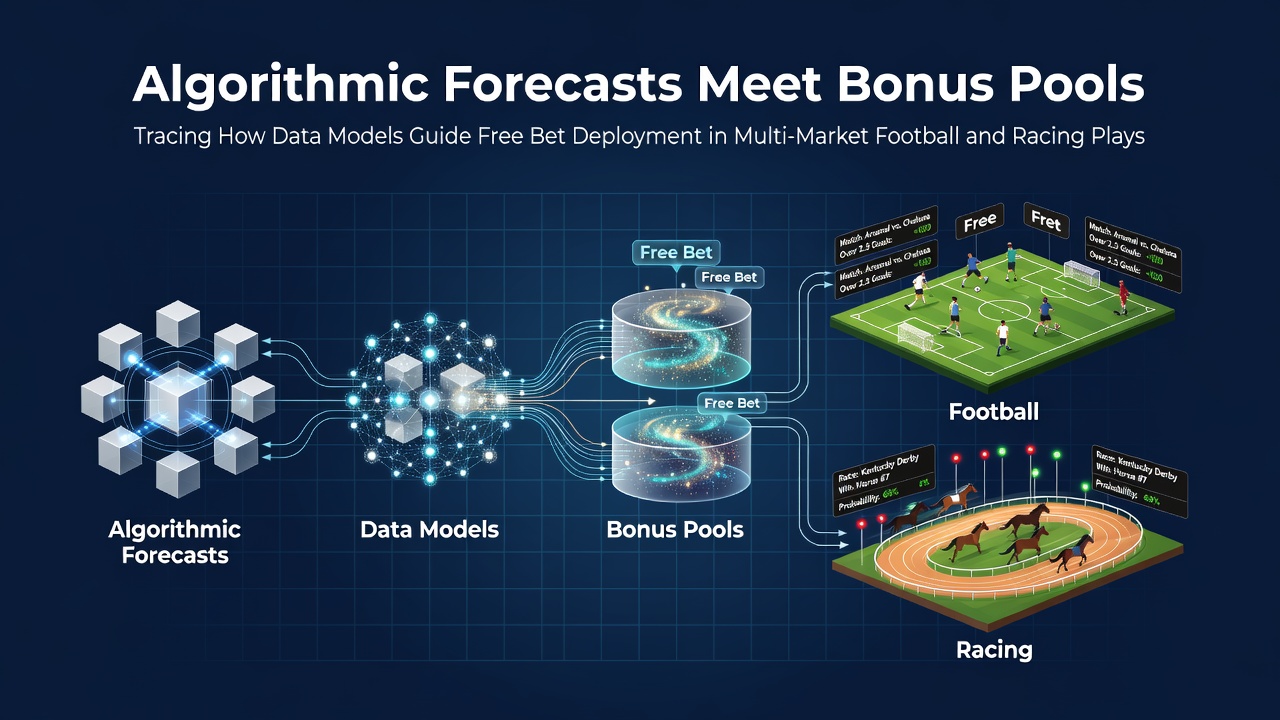
Bookmakers rely on predictive algorithms to determine how free bets from bonus pools reach customers in football and racing markets, and these systems process real-time data on odds, participation rates, and historical outcomes to adjust offers across multiple betting types. In November 2026 operators continue to refine these tools as participation in multi-market plays grows, with models balancing deployment between pre-match football accumulators and in-play racing wagers to maintain engagement levels.
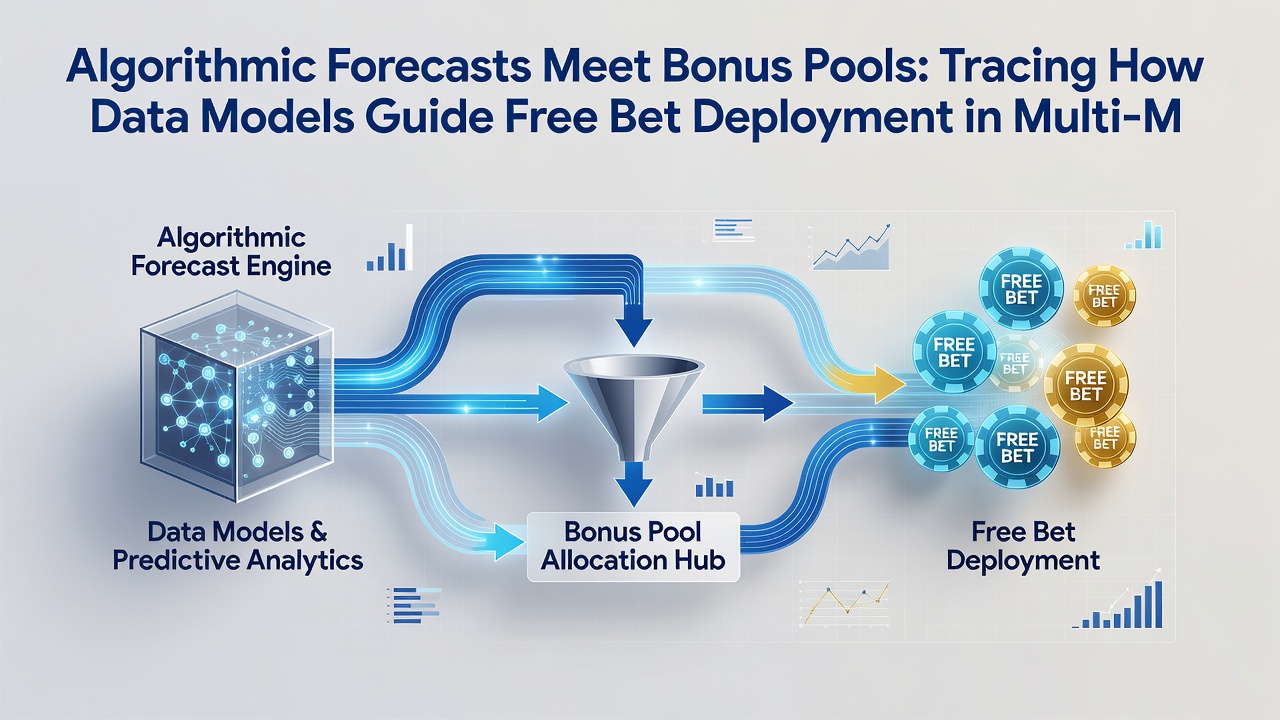
Algorithms evaluate variables such as customer segmentation, past response to promotions, and projected margins on specific events before releasing free bet credits, and this process occurs through automated platforms that integrate feeds from multiple sportsbooks and racing authorities. Data models track correlations between bonus usage and subsequent deposits, allowing operators to prioritize markets where free bets generate higher retention without eroding overall yield.
Core Components of Algorithmic Deployment Systems
Forecast models incorporate machine learning layers that analyze betting patterns from thousands of accounts simultaneously, and these layers assign probability scores to each potential free bet placement based on expected value calculations. Football markets receive allocations when models detect elevated interest in set-piece outcomes or live corner bets, whereas racing receives targeted credits during high-volume race meetings where place terms vary by operator.
Bonus pool management relies on dynamic thresholds that trigger releases only when certain liquidity conditions appear in the underlying markets, and this prevents over-distribution during periods of low activity. Researchers at institutions such as the University of Nevada, Reno have documented similar optimization frameworks in controlled studies of promotional mechanics, showing measurable shifts in user behavior tied to timed releases.
Multi-Market Integration in Football and Racing
Operators apply the same core algorithms across football and racing yet adjust weighting factors for each sport's unique data streams, and football plays often emphasize accumulator structures while racing focuses on each-way combinations. Models scan live odds feeds to identify discrepancies between bookmakers, then deploy free bets to encourage cross-market activity that smooths overall exposure.
During November 2026 race schedules and football fixtures overlap more frequently than in prior years, which increases the complexity of allocation decisions, and algorithms now incorporate weather and track condition data alongside team performance metrics to refine predictions. This integration allows a single bonus pool to support both a midweek football parlay and a weekend racing exacta without manual intervention.
Regulatory and Industry Data Influences
External reports from bodies such as the Australian Gambling Research Centre provide benchmarks that operators compare against their internal forecasts, and these comparisons help calibrate models to regional differences in promotion uptake. Industry associations track aggregate bonus deployment volumes and publish quarterly summaries that feed back into the algorithms as calibration inputs.
Those who manage large-scale platforms note that model accuracy improves when historical data spans multiple regulatory jurisdictions, and this breadth reduces bias in forecasts for cross-border customer bases. Academic papers on predictive analytics in wagering further supply feature sets that operators test within controlled environments before full rollout.
Operational Adjustments and Market Response
When models flag underperforming segments, operators shift free bet volumes toward alternative markets such as darts or snooker accumulators, and this flexibility maintains steady pool utilization throughout the calendar year. Football and racing remain primary recipients because of their high transaction volumes, yet the algorithms continuously rebalance based on emerging participation data.
November 2026 has seen increased emphasis on live in-play deployment, with systems releasing credits within seconds of detected odds movements, and this speed supports customer retention during volatile race finishes or late football goals. Observers note that such rapid adjustments rely on low-latency data pipelines connecting model outputs directly to account management systems.
Conclusion
Algorithmic systems now form the backbone of free bet distribution in football and racing, guiding resources from bonus pools toward markets that align with current demand signals and projected returns. Continued refinement of these models through November 2026 and beyond reflects ongoing integration of diverse data sources, from regulatory summaries to academic research, ensuring deployment remains responsive to multi-market conditions without direct manual oversight.